
Varanasi Ghats: Guide To 84 Holy Steps Of Kashi City
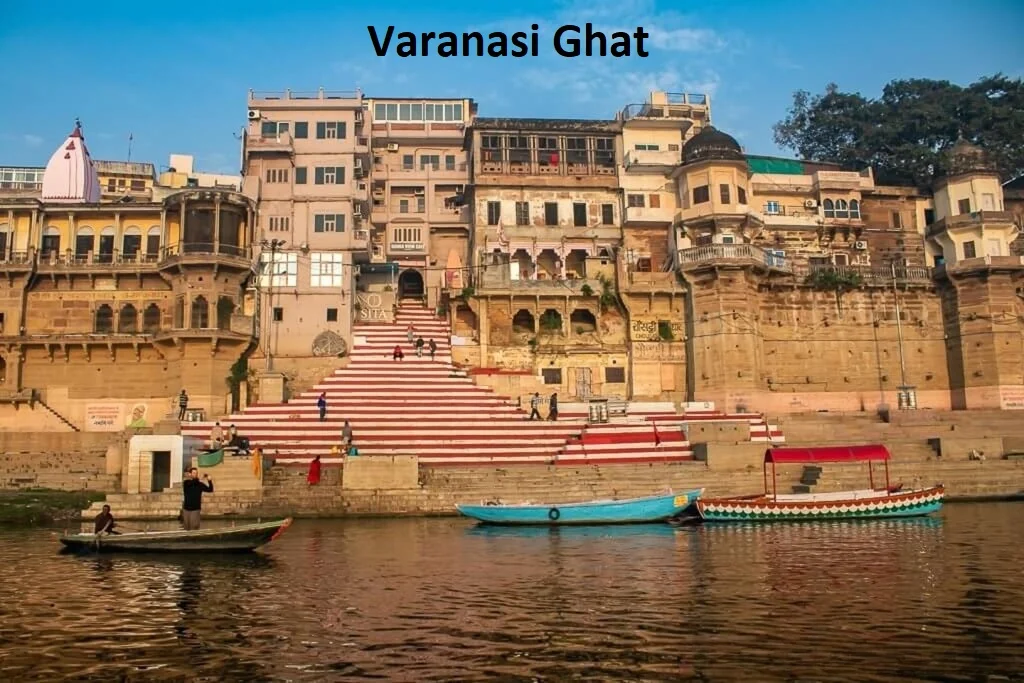
The pre-eminent city of Varanasi, known as Kashi, is a beacon of spirituality on the banks of the holy river Ganges. The stone steps of the varanasi ghat function as actual waterway access points which show the continuous dedication and traditional practices and cultural legacy of the area through its history. The riverfronts which extend for five kilometers attract both pilgrims and travelers who wish to find peace and spiritual growth. Skyline Holidayz presents guided tours which enable visitors to experience the holy site through its sacred paths while their trusted guide leads them through the entire journey.
Ganga Ghat Varanasi: Timeless Spiritual Hub
The ganga ghat varanasi functions as the vital center which sustains both everyday activities and significant religious events throughout the entire district which borders the Ganga River. The steps show their age through the erosion which has occurred from thousands of individuals who used them for both morning bathing and evening prayer activities. The historical records show that the building began in the 14th century and reached its major construction stage during the 1700s when the Scindias and Peshwas of the Maratha Empire implemented their architectural designs. The ghat in Varanasi each tell distinct tales which connect mythological elements with architectural design. The legends state that Lord Brahma conducted great sacrifices at this location which resulted in the atmosphere becoming filled with heavenly power.
Varanasi contains 84 ghats which serve as burial sites for approximately 30000 cremations that take place each year at designated locations including Manikarnika and Harishchandra. The Hindu faith considers this city as a vital place which assists believers in achieving moksha through various works. The skyline holidayz tour company teaches visitors about proper behavior at these sites which contain deep cultural importance while they observe the traditions which do not permit any disturbance to occur.
Architectural Marvels On The River
The ghats are built in a shape of Rajput, Maratha and Nepali architecture, and multilevel ornate palaces and temples which are stepped directly to the water rises can be seen. Darbhanga Ghat with its elaborate carvings was constructed by the monarchs of Bihar in the early part of 20th century and now it serves as a heritage palace hotel. Also, the leaning Shiva temple at Scindia Ghat, is a little submerged from its weight itself since 1830 placed mystery to it. They have beautiful views, and are also the site of festivals and daily worship.
Varanasi: How Many Ghats - The 84 Wonders
Many people curious about how many ghats in varanasi, and the answer is in the city's official count of 84 even some mention of nearly 100 when including minor ones. This 80 ghat varanasi number signifies wholeness in Hindu numerology, indicating the route to spiritual wholeness. From the southernmost Assi to the northern Adi Keshav, they extend as a chain of sanctity.Here is a table that lists out a few more notable ones to help you make your Varanasi Ghat name list:
1. Assi Ghat
The location marks the southern boundary of Varanasi at the point where the Ganga River meets the Assi River. The area attracts visitors for its morning rituals and yoga sessions while offering a peaceful environment for spiritual practices.
2. Ganga Mahal Ghat
The Maharaja of Benares constructed this building during the 19th century. The design of the building includes a palace that faces the riverfront.
3. Reewa Ghat
The Maharaja of Rewa built this structure. The location serves as a space for people to perform religious bathing while they conduct their peaceful sacred activities.
4. Tulsi Ghat
The site connects to Saint Tulsidas who wrote the Ramcharitmanas. The venue hosts cultural events and Ramleela shows.
5. Bachraj Ghat
The Scindia dynasty constructed this building. The building showcases architectural features that make it recognizable.
7. Chet Singh Ghat
The site takes its name from Raja Chet Singh who ruled Benares. The building design features a fortress appearance that provides views of the Ganga River.
7. Niranjani Ghat
The location belongs to Niranjani Akhara according to its traditional usage. The place serves as a space for religious bathing and monastic activities.
8. Dashashwamedha Ghat
The site represents one of the most ancient and significant ghats throughout Varanasi. The location attracts visitors who come to witness the impressive Ganga Aarti in Varanasi, which occurs every day.
9. Ahilyabai Ghat
The Queen of Indore Ahilyabai Holkar restored this site. The area features clean steps that lead to a riverfront space filled with temples.
10. Shitala Ghat
The site connects to Goddess Shitala. The location serves as a space for ritual bathing while people perform their local worship activities.
11. Mir Ghat
The Mughal era saw the construction of this building. The site displays ancient stone buildings that lead to a series of stairways.
12. Lalita Ghat
The Nepali-style Lalita Gauri Temple occupies this location. The building design shows strong architectural elements that originate from Nepal.
13. Man Mandir Ghat
Raja Man Singh of Amber built this structure. The building contains an ancient astronomical observatory.
14. Someshwar Ghat
The site takes its name from Lord Someshwar. The location serves as a space for people to perform their traditional religious practices.
15. Panchganga Ghat
The location functions as a meeting point where five sacred rivers supposedly converge. The location contains historical landmarks that include ancient monasteries.
16. Durga Ghat
The site connects to Goddess Durga. The location serves as a space for women to perform their religious bathing activities.
17. Brahma Ghat
The site connects to Lord Brahma through its dedicated rituals. The location attracts fewer visitors who seek a peaceful and spiritually focused atmosphere.
18. Hanuman Ghat
The site connects to the Sankat Mochan tradition. The location attracts individuals who follow Lord Hanuman.
19. Kedar Ghat
The location shares strong connections with Lord Shiva who attracts South Indian pilgrimage visitors. The building has a Dravidian design that features a Kedar Temple.
20. Chauki Ghat
The site served as a gathering place for religious events throughout history. The location features broad stairways that create an open area for people to move around.
21. Munshi Ghat
James Prinsep constructed this building during the British colonial period. The building design features elements from the colonial period that define its architectural identity.
22. Darbhanga Ghat
The royal family of Darbhanga built this structure. The location includes impressive palatial buildings that feature stone balconies.
23. Nishadraj Ghat
The site takes its name from Nishadraj who appears in the Ramayana. The site holds important mythological meaning.
24. Raja Ghat
The site served as a gathering place for royal families throughout history. The location creates a combination of dignified and peaceful qualities.
25. Prayag Ghat
The site connects to Prayagraj rituals that involve ceremonial bathing. The location serves as a space for people to perform their ceremonial bathing activities.
26. Adi Keshav Ghat
The location dedicates itself to Lord Vishnu. The site functions as one of the most ancient holy locations.
27. Trilochana Ghat
The site receives its name from Lord Shiva who possesses three eyes. The site lies close to the historical Trilochan Temple.
28. Kshameshwar Ghat
The location links to Lord Shiva who represents the power of forgiveness. People use the space for their worship and meditation activities.
29. Kedarnath Ghat
The location maintains strong Shaivite importance. The site attracts pilgrims who come from southern India.
30. Scindia Ghat
The site experiences partial submersion because of riverbank erosion. The building contains a Shiva temple that has a slanted design.
31. Ram Ghat
The site connects to traditions that honor Lord Rama. The location serves as a space for people to carry out their daily religious activities.
32. Jaini Ghat
The location caters Jain religious rituals. The room with its austerity perfectly conveys a hushed mood.
33. Narad Ghat
The place is named after sage Narada. The place has significant mythological relevance.
34. Kalighat
The place is devoted to Goddess Kali. A Place For Ritualized Worship One finds the same in pockets of the Muslim world.
35. Harishchandra Ghat
The site also works in tandem with another principal cremation ghat. The site is related to metaphysical tenets of truth and moksha.
36. Manikarnika Ghat
The place is considered the chief cremation place of Varanasi. The Location Moksha takes place at the time of death.
37. Bajirao Ghat
The place was named after Peshwa Bajirao. The structure incorporates some Maratha-style architectural features.
38. Rajendra Prasad Ghat
The place is named after India’s first President. The site doubles as a stage for mass gatherings and formal functions.
39. Adi Keshava Ghat
It is also an important ghat from Vaishnavite point of view. The place is linked to early veneration of Vishnu sites.
40. Shivala Ghat
The island is also ringed by Shiva temples or those dedicated to other gods and goddesses. This place also allows you to bathe for religious reasons.
41. Dandi Ghat
The site functions as a space that relates to ascetic practices. Monks and sages make use of this area for their activities.
42. Sankatha Ghat
The site serves as a sacred space dedicated to Goddess Sankatha. The location attracts visitors who believe in its ability to offer spiritual protection.
43. Kedara Ghat
Connected with Lord Shiva as Kedarnath relaxation.
Popular among pilgrims from South India.
44. Harishchandra Ghat (Secondary Stretch)
An extension of the main cremation ghats.
During peak ritual schedules.
45. Laxmi Ghat
To Goddess Lakshmi is dedicated this Ghat.
Used in rituals for prosperity.
46. Sita Gat
Tied to tradition associated with goddess Sita.
Keeps a quieter spiritual atmosphere.
47. Ramghat
Lord Ram worship Centre.
For daily worship ritual use .
48. Gauri Ghat
In the name of Goddess Gauri.
Essential for a sack full of married and fruitful prayers .
49. Rameshwar Ghat
Revered Lord Shiva as Rameshwar.
With holy bath and offering.
50. Kapal Mochan Ghat
Connected to purification rituals in the Shaivite tradition.
A historical place for praying or doing yoga.
51. Karna Ghat
In the name of Karna of the Mahabharata.
It is thought to represent charity and sacrifice.
52. Narayan Ghat
For Lord Vishnu.
Primarily for Vaishnavite rituals.
53. Dattatreya Ghat
Lord Dattatreya related.
For spiritual seekers and ascetics.
54. Govind Ghat
Dedicated to Lord Krishna.
Has strong devotional importance.
55. Brahmachari Ghat
Brahmachari Ghat =chaste asceticism.
To monks and students spiritual.
56. Ganga Kesari Ghat
The name originated from the devotional tradition associated with gange.
Mostly for ritual baths.
57. Shankh Ghat
The mythical cow (Shankh) is a nation mascot!.
Signs for the new and lucky ones!
58. Annapurna Ghat
Bounding with the Goddess Annapurna.
Was associated with the eating of food and prayers of thanksgiving.
59. Ratneshwar Ghat
Named after Lord Shiva as the Ratneshwara .
Ancient temple remains at Ratneshwar Kolhua /Ratneshwar Ghat.
60. Kubera Ghat
Dedicated to lord and wealth – Lord Kubera.
For the prosperity-related rituals.
61. Vyasa Ghat
Connected to Sage Vyasa.
Is a reflection of scriptural and academic traditions.
62. Markandeya Ghat
Sage Markandeya and Manasa is also attached to this ghat.
Longevity mythology-related rituals.
63. Yameshwar Ghat
Dedicated to Lord Yama.
Rituals for the dead herein associated.
64. Kamleshwar Ghat
Named for a form of Lord Shiva.
For prayer and meditation.
65. Somnath Ghat
Related to Somnath form of Shiva.
Strong Shaivite Essence.
66. Siddheshwari Ghat
Worship to Goddess Siddheshwari.
Attached to spiritual achievement rites.
67. Gokarna Ghat
Shaivite mythological cronies were related to this place very closely.
For holy offerings.
68. Vishnu Ghat
Let this place be known as Vishnu Ghat now.
His ritual function, preservation, and cosmic balance rituals.
69. Saraswati Ghat
Sarasvati Devi is the goddess presiding over the house.
The education and wisdom prayers.
70. Rudra Ghat
Dedicated to Rudra.
Is representative of Megahertz energy.
71. Kapil Ghat
Sage Kapila sánskrt घाट ghāṭ (east. side 10.)
Holds philosophical significance.
72. Lal Ghat
Was named after the local historical archetypes.
Daily bathing only is performed.
73. Hanumangarhi Ghat
For Lord Hanuman.
Related to notion of power and protection
74. Gaya Ghat
Adopted for use by ancestral rites based on Gaya traditions.
Significant for pind daan ceremonies.
75. Badri Narayana Ghat
Devoted to the Lord Vishnu as Badri Narayan.
It is related to Vaishnavite praxis.
76. Trilochana Ghat
Trilochana is one of three formats in which we see Lord Shiva’s three-eyed form.
Near the ancient Trilochan Temple.
77. Vijay Nagar Ghat
Connected with historical settlements.
Keeps a low profile on the riverfront.
78. Kedar Mishra Ghat
Is named for the scholarly traditions of Kashi
Ritualistic and educational significance.
79. Chauki Ghat (Upper Stretch)
just another side of the main Chauki ghat part.
so since its large ritual gathering are held here.
80. Kshameshwar Ghat
Kshameshwar Ghat is dedicated to Shiva as lord of forgiveness.
Where to bathe and ritual of repentance / teshuva.
81. Munshi Ghat (Lower Stretch)
Alongside the Munshi–Darbhanga palace complex is this.
Recognized for culture-rich architecture.
82. Ahilyabai Ghat (Extended Area)
Extension to restored riverfront steps; as its name suggests.
Maintains imperial symmetry.
83. Dashashwamedha Ghat (Ritual Zone)
Widened pyrotechnic zone of the principal ghat.
During holidays and aarti always awesome
84. Prayag Ghat (Terminal Section)
Related to the Prayag tradition.
(St. Peter’s B), Juniperthe one who marked the northern ritual boundary.
Hidden Gems Among The Steps
The sacred Lalita Ghat built by Nepali royalty displays Kathmandu-style temples while celebrating various festivals which attract many visitors. The Jain Ghat exists as a religious site which respects ancient Tirthankaras while attracting tourists who want to learn about various religious practices.
Varanasi Ghat Aarti Time: Sacred Evenings
The Varanasi Ghat Aarti time changes between seasons yet the Dashashwamedh location of Varanasi Ghat Aarti begins at 7 PM during summer months and 6 PM during winter months with a duration of 45 minutes. The Shiva Ganga ritual requires participants to perform synchronized chanting while using lamps and conch shells which creates a heavenly setting.
Assi Ghat begins its daily aarti ceremony at 5:30 AM which combines yoga and musical performances to create a refreshing morning experience. The evening activities begin at the location with scheduled events starting at 6 PM. Daily crowds of thousands fill the place while boats provide the best views for visitors. Your best tour choice for this unforgettable experience is Skyline Holidayz.
Varanasi Kashi Ghat: Myth And Modernity
The Varanasi Kashi ghat uses the old Kashi name which defines the city as the "light city." The five main ghats of Hindu cosmology include Assi Dashashwamedh and Manikarnika and Panchganga and Adi Keshav which serve as essential glories in sacred texts. Namo Ghat showcases modern design elements which blend with traditional design elements to create a contemporary atmosphere.
The water quality improvements have been achieved through pollution control programs which allow for environmentally friendly religious practices to take place. The main area of Varanasi features more than 25 ghats which operate continuously throughout the day from early morning until late evening. The place has a strong energy which visitors can feel before they start to walk or ride a boat.
Cultural Fusion At The Waterfront
Dev Deepavali festivals cause the ghats to light up with millions of lamps which attract visitors from across the globe. The area serves as a cultural fusion area which combines music and art and cuisine to create a diverse artistic environment.
FAQS
1. Why are the Varanasi ghats regarded as spiritually important?
The Varanasi ghats are a living testament to the ebb and flow of human interaction with the sacred River Ganga. The rituals here are said to cleanse the soul and deepen spiritual awareness making them fundamental to Hindu way of life.
2. How many of the Varanasi ghats are used?
There are more than 80 ghats, but only some 60 are used for performing rituals day after day, ceremony after ceremony, and after that, traffic across the riverfront is now incessant.
3. Which is Best ghat in varanasi for newcomers?
Dashashwamedha Ghat is also recommended at a premium for the accessibility, the vibrancy and the rituals and its closer distance to the big temples, so it’s the best way to get an introduction to ghat life.
4. What is special in varanasi ghat aarti?
The ritual, which is at once a celebration of devotion and music and fire and orchestrated choreography, is a stunning and spiritual reflection of centuries-long traditions.
5. How can travelers responsibly experience varanasi kashi ghat?
Guided programs from companies such as Skyline Holidayz provide visitors with the education necessary to approach the rituals with the appropriate respect, the local customs with the requisite sensibilities, and the ghats with some semblance of cultural sensitivity.