
Sarnath In Varanasi: Best Place For Buddhist Spiritual
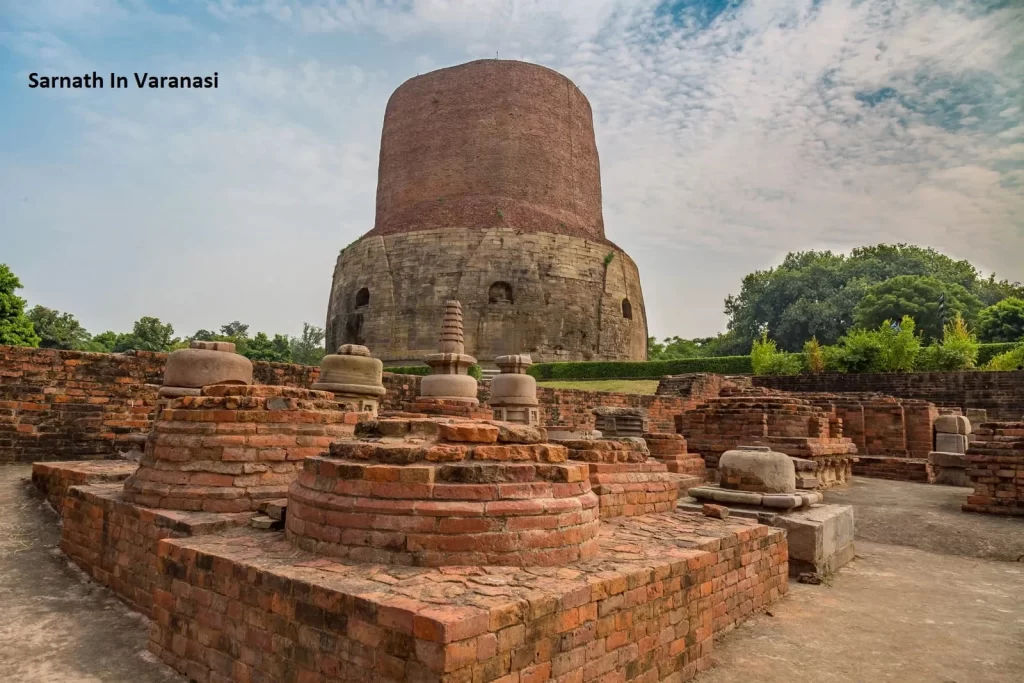
Sarnath Varanasi, a key spiritual spot, stands as a symbol of enlightenment and tranquility, drawing people worldwide in search of spiritual moments. The holy site, located northeast of Varanasi city in Uttar Pradesh, contains significant historical importance—the spot where Gautama Buddha first shared his enlightenment teachings after his awakening in Bodh Gaya. The name Deer Park or Mrigadava has historically described Sarnath Varanasi, Uttar Pradesh, which contains ancient tales about spiritual enlightenment that extend back more than 2,500 years.
The area turned into a hub for Buddhist learning, showcasing its architectural wonders from the Mauryan to Gupta eras Back in the 3rd century BCE, Emperor ashoka set up this place by building pillars and stupas to honor Buddha's teachings The 12th century saw invasions that led to the site's decline, but it was the digs in the 19th and 20th centuries that brought it back to its former glory Sarnath Varanasi serves as an important pilgrimage site which blends ancient ruins with contemporary temples attracting more than 1.4 million visitors each year according to data from 2019. Skyline Holidayz provides a dedicated tour guide service that lets tourists dive into this cultural heritage site
Details About Sarnath – Varanasi
| Category | Details |
|---|---|
| Name | Sarnath |
| Location | 10 km from Varanasi, Uttar Pradesh, India |
| Religious Importance | One of the most important Buddhist pilgrimage sites in the world |
| Historical Significance | Place where Lord Buddha delivered his first sermon after attaining enlightenment |
| Ancient Name | Isipatana or Rishipattana |
| Main Attraction | Dhamek Stupa |
| Other Major Attractions | Chaukhandi Stupa, Ashoka Pillar, Sarnath Archaeological Museum, Mulagandha Kuti Vihar |
| Built By | Emperor Ashoka (major monuments) |
| Period | 3rd Century BCE onwards |
| Distance from Varanasi | Approximately 10 km |
| Visitor Timings | Sunrise to Sunset |
| Museum Timings | 9:00 AM – 5:00 PM (Closed on Friday) |
| Entry Fee | ₹25 for Indian visitors, ₹300 for foreign tourists (approx) |
| Best Time to Visit | October – March |
| Main Festivals | Buddha Purnima |
| Tourist Activities | Temple visits, museum exploration, meditation, historical sightseeing |
| Nearest Airport | Lal Bahadur Shastri International Airport – about 25 km |
| Nearest Railway Station | Varanasi Junction – about 10 km |
| Tourism Importance | Major destination for Buddhist pilgrims and international tourists |
History Behind Sarnath Temple Varanasi Uttar Pradesh
The Sarnath temple Varanasi Uttar Pradesh goes back to the 5th century BCE when it became a political center during the Mahajanapada period The buddha selected a peaceful deer park as the stage for disclosing the Four Noble Truths and the Eightfold Path to his first five disciples, who at that time represented the Buddhist community during its nascent stage During the period of Ashoka the place grew in sprawl with substantial constructions that brought out the empire's patronage in Buddhism The progression of architectural styles during the epoch of the Gupta dynasty took place within the viharas and through faceted carved stones.
Faxian and Xuanzang, two Chinese travellers, reported vast monasteries housing tens of thousands of monks during their 5th and 7th century visits There were further embellishments by the Pala and Gahadavala rulers; and restoration of vital edifices by Queen Kumaradevi in the 12th century.In 1194 CE the site was devastated by an invading army and only the base of the stupa and some pillar remnants remained. The modern Mulagandha Kuti Vihara, built in 1931, was a restoration of . One excavation unearthed over 10,000 relics, elevating Sarnath temple and strengthening the spiritual value of every Varanasi temple, making Sarnath and Varanasi globally respected centers of divine heritage and sacred traditions.
Evolution Through Empires
Sarnath's mandir turned into a learning hub between the Nanda and Maurya rule The well-known pillar stands as a symbol of Emperor Ashoka's strong backing for Buddhism, shown by his deep commitment to the faith During the Gupta era, we saw a burst of new art styles that really pushed the boundaries, especially in sculptures mixing Greek and Buddhist vibes
Discovering Dhamek Stupa Sarnath
The Dhamek Stupa in Sarnath is right at the heart of the place, featuring a towering 39-meter brick structure with a base that's 28 meters wide The Ashoka-built structure from 249 BCE stands as a tribute to Buddha's teaching spot, which got an extension in the 5th century CE The bottom part of the building showcases intricate patterns that really show off the Gupta craftsmen's talent The dhamekh stupa Sarnath, often called by various names, stands out as a cylindrical marvel showcasing ancient engineering prowess and lasting strength Pilgrims stroll around it to get blessings and soak in the serene vibe The relic chamber inside the stupa, where people think Buddha's ashes are kept, really adds to its sacredness The site gets around 500,000 visitors each year who walk around it, which catches the eye of both history buffs and believers Skyline Holidayz offers guided tours here so visitors can soak in the park's historical stories
Nearby Stupa Wonders
The ruins of the Dharmarajika Stupa have been greatly diminished over time as many of the relics have disappeared over the years. The Chaukhandi Stupa marks the site of Buddha's reunion with his disciples and boasts an impressive Mughal-style tower originally built in 1588.
Sarnath Museum Timing and Treasures
The Sarnath museum offers visitors a captivating showcase of historical treasures to explore The museum is open from 10 AM to 5 PM every day except Fridays when it's shut The Lion Capital at Sarnath, where India's national emblem is based, has four lions perched above an abacus, highlighting important symbols The museum's collection boasts over 6,800 items, featuring the famous 5th-century buddha statue known for his first sermon The site showcases carved pillars with Greco-Persian capitals and inscribed stones that tell its story as a diverse cultural hub The air-conditioned galleries offer a comfortable space for people to check out the art The Sarnath museum timing adjusts its hours based on daylight to make sure people can see everything clearly Visitors should check the Sarnath museum ticket requirements at the entrance to gain entry into the preserved collection of ancient artifacts.
| Feature | Description |
| Material | Creamy Chunar sandstone for durability and aesthetic appeal |
| Turrets | Two white towers providing elevated river views |
| Courtyards | Spacious areas with carvings, ideal for events |
| Pavilions | Ornate structures in the garden for relaxation |
| Balconies | Overhanging designs for scenic overlooks |
The complete schedule for Sarnath's place to visit and their opening hours takes up the most. The Sarnath Buddhist temple ensemble stands as the main attraction among Sarnath's most important sites which tourists need to experience. The peaceful two Japanese frescoes at Mulagandha Kuti Vihara showcase Buddha's life story through their artistic depiction. The international monasteries from Thailand and Tibet present their distinct statues and gardens which create a worldwide experience. The Garden of Spiritual Wisdom near Chaukhandi invites visitors to the bodhi tree which provides space for thoughtful reflection. Skyline Holidayz arranges complete travel packages which guide you to all attractions while you visit the Ashoka Pillar ruins and excavation sites. The Thai Temple unveiled its 24-meter Buddha statue in 2011 which now serves as a contemporary engineering achievement. The 10-hectare ruins offer visitors the chance to discover multiple historical periods which range from ancient votive stupas to Buddhist monastery remains.
The Area Contains Several Concealed Treasures
Visitors should experience two attractions which include Jain Tirth dedicated to Shreyansanatha and the Turtle Breeding Centre which showcases natural beauty. These attractions provide visitors with additional experiences to enjoy during their time in Sarnath Varanasi.
The Opening Hours Of Sarnath Temple Show Visitors When They Can Enter
The Sarnath temple timings are scheduled; they should guide visitors who want to improve their temple experience. The public can access all sites from 8:00 AM to 6:00 PM except for the main archaeological zone which offers access to all visitors throughout the day. Sarnath Buddhist temple Mulagandha operates its schedule through the same opening hours which includes special evening chants during festival days. The Sarnath stupa provides perfect conditions for photography during early morning hours because of its cooler temperatures and reduced visitor numbers. Skyline Holidayz recommends that tourists should arrive after sunrise to experience their trip in a peaceful way. The museum operates its schedule which requires different timing from the actual opening hours so you need to plan your museum visit according to that schedule.
Sarnath Varanasi creates a historical and religious and artistic experience which remains in people's memories. The Uttar Pradesh treasure leads all who explore its routes to discover Buddha's footsteps and ancient artistic expressions.
FAQ
1. What is the importance of Ram Nagar Fort history in the culture of Varanasi?
History of Ram Nagar in the Skrine and its significance in varanasi what better way to describe the spiritual heart of India from then what this Varanasi travel guide can tell you. It was built in 2010 on the ruins of a fort built by Maharaja Balwant Singh in 1750 which served as the palace and fortress of the Kashi Naresh. Mythological layering Legends connect it to the place where Ved Vyasa meditated. It has been centre for administration and festivals for centuries, representing culture of uttar pradesh. It is now a link between the past and the present, as it is filled with history and art and known as history and art and known as that of ancient secrets, many scholars and tourists rushed to see what layers of Royal narratives could be unraveled from them.
2. What royal possessions are explained in the Ramnagar Fort Museum?
The Ramnagar Fort Museum has a broad selection of pieces that highlight the luxurious lives of the kings of Varanasi. From globally sourced weapons to exquisite ivory art and classic vehicles, each item has a narrative related to craftsmanship and heritage. One of the best things about the astronomical clock is that it represents high-end 19th century technology. By containing temples within the venue, the museum likewise conserves material culture and spiritual culture, resulting in a more comprehensive understanding of the artistry and advancements of the time.
3. What are some tips for observing Ramnagar Fort Timing while visiting?
The Ramnagar Fort Timing from 10 am to 5 pm daily is enough for you to explore the place. It is best to get there early so that you can explore in peace and quiet, especially if the weather is cold. During festivals such as Dussehra, extra hours are added to cater to the crowds for executing Ramleela. It is recommended to check the weather reports as it can get humid due to the location by the riverside. Undertaking the visit with a boat ride will give you an unforgettable experience and help you see the fort in the best light at the best time.
4. What is the current Ramnagar Fort Varanasi king and his role today?
King of the awsaiati: The rank of the kashi naresh ( king of the Varanasi citadel ) Anant Narayan Singh Ram Nagar Fort king, Varanasi, is the present head. He resides in the fort and upholds its traditions though royal titles were abolished in 1971. He also performs cultural functions—such as the Ramleela which attracts thousands on an annual basis. Singh’s stewardship of the fort as a living monument, with the preservation of history juxtaposed with the needs of community life, in Uttar Pradesh.
5. Why is Ram Nagar Varanasi Uttar Pradesh important for fort?
Ram Nagar Varanasi Uttar Pradesh is located between the famous ghats of varanasi, which really makes it an ideal location for the fort. This site was naturally fortified and beautiful, with views on the other side of the river. In the past it enabled trading and royal control over the city. Now, its accessibility from Varanasi only around 14 km and its elevated position above flood levels affirm that it was a wise choice of location in the local geography.