
Ramnagar Fort: Historical Place To Visit In Varanasi India
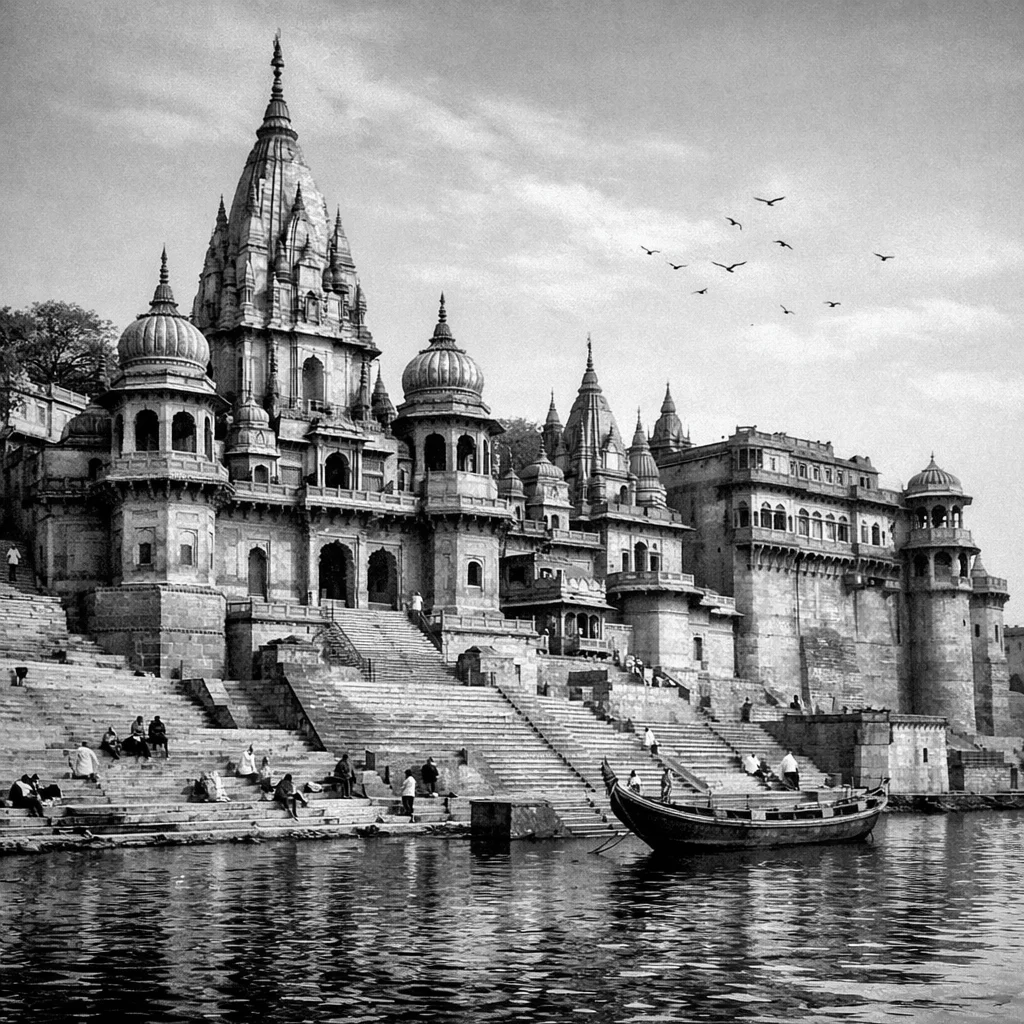
Ramnagar Fort in Varanasi Uttar Pradesh is located at opposite side of the tulsi ghat on the river ganges which is sacred is home to a gigantic building that is living proof that varanasi was once home to royal establishments. The old site of Ramnagar Fort is a living monument which keeps a time bound ambiance. The royal residence in one of India's oldest living cities and majestically weighing heavily on the skyline of the ancient city is the soaring 18th century Ramnagar Fort Varanasi kings Kashi Naresh Maharaja Balwant Singh built in 1750.
True travelers like to visit Varanasi city for Ramnagar Fort, located past the city’s legendary ghats and temples. The architecture, the displays and museum and indigenous cultural textures of this place help to bring visitors to an understanding of Varanasi royal living. The fort is the highlight of the cultural tours that professional planners at Skyline Holidayz, one of the main tour operators in India arrange for visitors to experience the significance of this daunting structure.
The History Of Ram Nagar Fort Is Traced
Back to 1750, Ram Nagar Fort history starts when Maharaja Balwant Singh, the ruler at the time of what is now known as Varanasi, commissioned its building. Built using Mughal architecture, the fort was not only used for defense, but also became a palace for Maharaja Balwant Singh to live overlooking the Ganges River.
From ancient times there have been records of the area surrounding the Ram Nagar Fort being known as Vyas Kashi. This is where it is believed that the sage Ved Vyasa, who wrote the Mahabharata, lived and meditated many years ago. This connection to the mythological past creates a unique blend of history that brings together two very different periods of time.
The administrative headquarters of the Kashi Naresh dynasty was held at the Ram Nagar Fort and included court and royal events. The Ram Nagar Fort has gone through many changes from the time when it was built to now seeing the transformation of Varanasi from a holy place to a modern day city.
Architectural Grandeur Of Ramnagar Fort
The Ram Nagar fort Varanasi is a magnificent combination of Mughal and regional styles of architecture. Carved out of creamy-yellow chunar sandstone, it was placed strategically on high ground to shield it from the seasonal inundations of the Ganges.
Notable Architectural Elements Are:
Walls and Gateways: The massive construction is defined by thick walls and enormous gates that harken back to its defensive provenance.
- Carved Balconies & Jharokhas: Elegant carved jharokhas(overhanging balconies) and open pavilions allow mesmerizing views of the river.
- Courtyards, Towers: The castle's internal structure is separated into its many spacious courtyards, unique white towers that spark the feeling of drowning in white.
Within Temples: The fort complex includes a number of major temples, including a temple to Veda Vyasa and the Dakshin Mukhi Hanuman temple.
A flag flies over the fort when the present Maharaja of Benares, Anant Narayan Singh, is domiciled therein a tradition which keeps the royalty legacy alive.
Treasures Of The Ramnagar Fort Museum (Saraswati Bhawan)
In the fort’s old Durbar Hall (Public Audience Hall), the Ramnagar Fort Museum, aka Saraswati Bhawan, holds rare collections that reflect the luxurious lifestyle of the Kashi Naresh lineage.
Scenes Of The Museum Collection:
Vintage Vehicles:
Star Exhibit : A 1913 Rolls-Royce Silver Ghost and cars from the 1920s.
Importance: Reflects early royal interest in automotive technology in North India.
Royal Palanquins & Textiles
Exhibit Stars: Gold and silver brocaded palanquins (Palakis) and dresses of kimkhwa silk.
Importance: It illustrates the historic luxury textile trade of Varanasi and its unique tradition.
Armory & Weaponry
Star Exhibits: Swords, decorated daggers, historical guns from Burma, Japan,and Africa.
Significance: Represents the palace's connections far and wide, and the martial nature of the period.
Astronomical Clock
Featured Exhibits: A rare clock built in 1852 by the court astronomer.
Importance: Shows time, day, week, month, and the astronomical position of the stars.
Manuscripts & Art
Feature Exhibits: Religious manuscripts and books that are adorned with Mughal miniature paintings.
Importance: Symbolizes the royal patronage of art and literary traditions.
A Living Culture: Festivals And The Ramlila
Ramnagar Fort functions as an active cultural center which operates throughout all its historical periods. The Ramnagar Ramlila serves as the most well-known festival of the city because it presents the complete Ramayana through its theatrical performance. The production goes beyond a typical theater performance because it needs a whole month to create its complete immersive experience which takes over the town to build its massive production design that incorporates different theatrical scenes which actors perform at distinct historical sites throughout the entire month.
This tradition achieved recognition from UNESCO's Representative List of the Intangible Cultural Heritage of Humanity in 2008 because it showcases both its cultural authenticity and extensive cultural traditions. The current Maharaja maintains his family legacy through his ceremonial role in the main festival events which he starts to perform while riding a decorated elephant that establishes a direct connection between the celebration and the royal heritage of the fort.
Plan Your Visit To Ramnagar Fort
Location: The fort is located at Ramnager on the eastern banks of river Ganges in Varanasi in Uttar Pradesh.
Ramnagar Fort timing to visit
The visitors are allowed in the fort and museum on all days.
The centre is open for visitation from sunrise to sunset. Around 10 Am to 5 Pm. It is recommended to double check the precise schedule before going, as they are subject to change.
How to Reach:
By Road: The location becomes reachable through Ramnagar Bridge which connects Varanasi city to the bridge (approx. 14 km). Skyline Holidayz provides travelers with comfortable private transfers which ensure them a smooth and easy travel experience.
By Boat: The boat ride from Dashashwamedh Ghat provides a beautiful travel experience which takes between 45 and 60 minutes for the journey.
Best Time To Visit:
The time to go is from around October to the end of March, when temperatures are favorable for good weather surf.
October Dussehra festival give the best Ramlila performances, though the festival days are the most crowded.
The royal palace is an essential part of the Varanasi tour. Skyline Holidayz provides full packages, single day excursions, and more that allow you to delve into the fort’s history through its religious edifices that are linked to the city. Their expertise will decide your visit time choice to know the historical background of the fort.
FAQs
Who built the Ramnagar Fort and when?
Bent on regaining Benares from the Marathas, he began building the Ramnagar Fort on the banks of the river Ganga in 1750. Maharaja Balwant Singh was the Kashi Naresh of Benares who built the Ramnagar Fort. A royal residence, which doubled as a fortress, was located in the Ganges River area.
What are the historical details behind the Ramnagar Fort Museum's collection?
The Saraswati Bhawan Museum, located inside the fort, boasts a varied selection that spans centuries of royal patronage, international commerce, and artistic distinction. Using their collection of relics, the Kashi Naresh dynasty narrated its history, which involved vintage automotive vehicles, Asian weapons, and Varanasi fabrics.
What is the relationship between the present-day Varanasi king and the fort today?
The Benares Maharaja occupies the fort as his official residence, though his role is now titular. It has a living quarters fort where nth Narayan Singh, the current heir, lives. He is come to participate in Ramlila celebrations of the year to uphold his family tradition.
How can a visitor best experience the cultural significance of the fort?
The ultimate Ramlila can be experienced at the Ramnager Ramlila during Dussehra. The UNESCO recognized performance turns the whole area around the fort into a dynamic enactment of the epic narrative. The visitors are advised to begin their visit with the museum to get a view of its unique artefacts and then visit with the guided narration which tells about the historical and architectural aspects of the building. Skyline Holidayz has professionals to assist you with this unique need.
Can visitors access the entire fort, and what are the key sections to see?
Public access to Ramnagar Fort exists for only one section because the royal family uses the remaining areas as their private living space. The accessible areas of the site include the museum (Saraswati Bhawan) and multiple temples within the complex (like the Veda Vyasa temple), and the scenic outer walls and courtyards, which provide breathtaking views of the Ganges River.